



You have no items in your basket.
New GANT Menswear
Ends Today 0:00:20
Up to 50% off

New GANT Womenswear
Ends Today 0:00:20
Up to 50% off

Birkenstock
Ends Today 0:00:20
Up to 20% off

Grenson! Men's Footwear
Ends Today 0:00:20
Up to 55% off

This Month's Best Sellers: Jimmy Choo, Kate Spade & More
Ends Today 0:00:20
Up to 65% off

True Religion Women's
Ends Today 0:00:20
Up to 60% off

True Religion Men's
Ends Today 0:00:20
Up to 60% off

New! Melissa Odabash
Ends Today 0:00:20
Up to 65% off

Summer Style By No.Eleven
Ends Today 0:00:20
Up to 65% off

New in! Spring Linen For Her
Ends Today 0:00:20
Up to 70% off

Spring Brunch Outfits
Ends Today 0:00:20
Up to 60% off

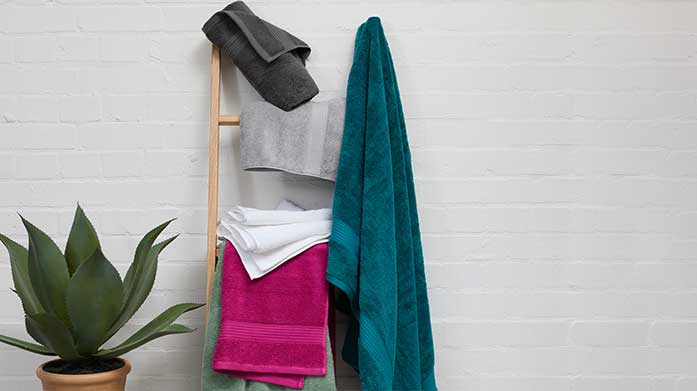
The Big Towel Sale from BOSS, Kenzo, Christy...
Ends Today 0:00:20
Up to 70% off

Luxury Lighting & Home Accessories by Gallery Living
Ends Today 0:00:20
Up to 55% off

The Great Sofa Company
Ends Today 0:00:20
Up to 70% off

Emma Mattresses
Ends Today 0:00:20
Up to 60% off

Vintage Clearance
Ends Today 0:00:20
Up to 70% off

Pre-Loved Designer Pieces For This Season
Ends Today 0:00:20
Up to 70% off

New In: Radley You'll Love
Ends Today 0:00:20
Up to 65% off



We are delighted to announce Derby House is now part of the BrandAlley family.


Internet Fusion Group Limited, Internet Fusion Limited, Surfdome Shop Limited, Country Attire Limited, Country Attire Holdings Limited and Newtyle Trading Company Limited entered administration on 28 April 2023. Tony Wright and Alastair Massey of FRP Advisory Trading Limited were appointed to act as joint administrators. The affairs, business and property of the companies are being managed by the joint administrators, who act as agents and without personal liability.
The aforementioned companies are no longer trading, and the websites of these companies are not currently operational. For customers who have recently made orders that have not yet been delivered, we have been unable to fulfil these orders and those customers concerned should seek recovery of their monies through a Section 75 of the Credit Consumer Act claim or through a chargeback claim. Please contact your card provider in order to lodge such a claim.
For customers wishing to process the return of goods previously purchased, we can accept those returns but are not in a position to refund the cost of those goods. Again, customers in this position should seek recovery of their monies through a Section 75 of the Credit Consumer Act claim or through a chargeback claim and contact their card provider in order to lodge such a claim.
All queries relating to the companies should be sent to [email protected].